Artificial Light Attraction
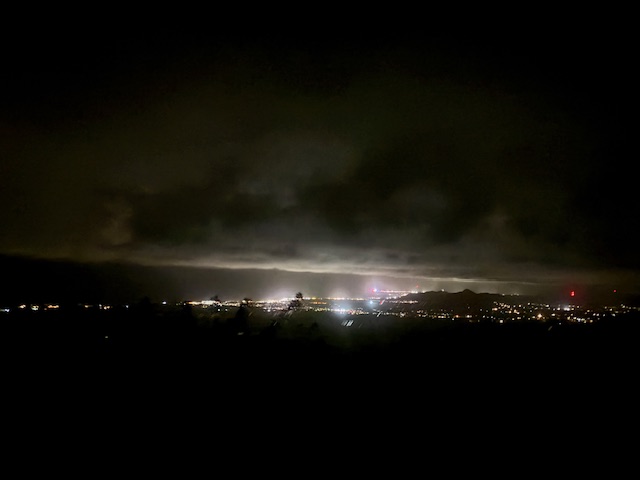
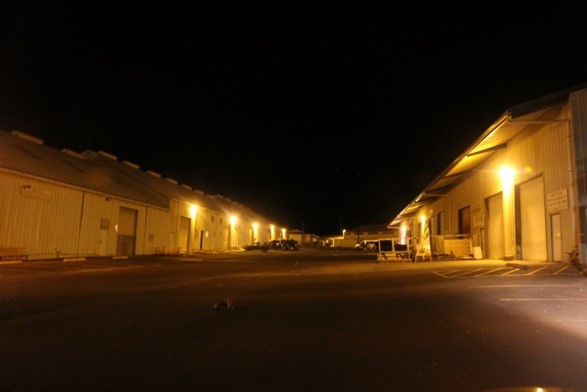
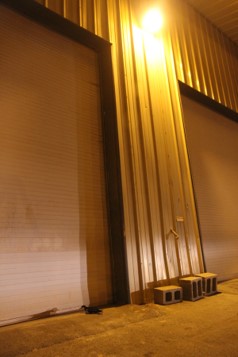
Hawaiʻi’s endangered seabirds fly to and from their breeding colonies only at night. Human light pollution can confuse this behavior, particularly in fledglings during their very first journey from their colony to the sea. These fledglings become disoriented by bright lights, circling until they are forced to land from exhaustion in a phenomenon known as ‘fallout’. The island of Kauaʻi experiences some of the highest rates of fallout in the world, with hundreds of newly fledged shearwaters and petrels grounded every year. Once on the ground, these exhausted and confused birds cannot fly again and either die from exposure and starvation, are run over by cars, or are eaten by feral cats and dogs. Since 1979 more than 32,000 seabirds have been collected by the Save Our Shearwaters (SOS) program on Kauaʻi, with 75% of these being Newell’s Shearwaters.
If you find a seabird on the ground in an urban area during fledging season (September-December), it is a victim of fallout. Please see this page for specific instructions explaining how to safely rescue downed seabirds, and read our solutions page for other ways you can help!
Collisions with powerlines
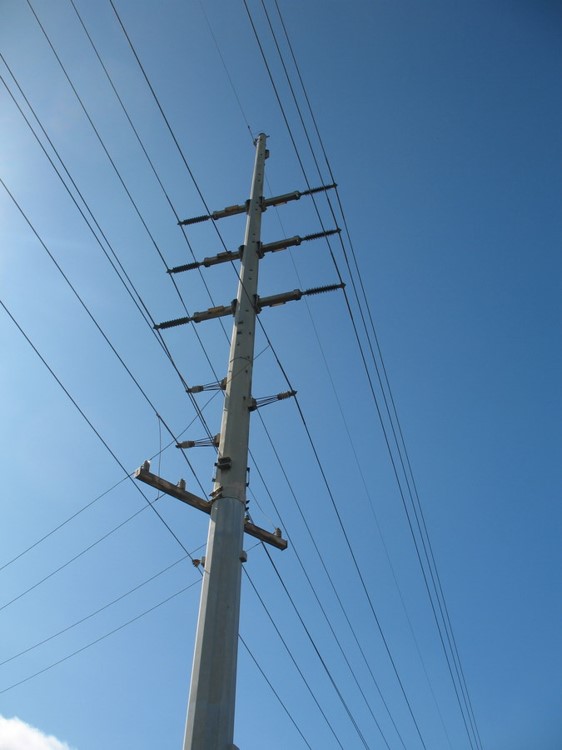
During the breeding season, adult birds fly back and forth from their fishing grounds at sea to their breeding colonies in the mountains. Across their paths lie utility lines, which pose a collision risk to flying birds such as in areas where they are elevated well above the height of surrounding vegetation. This is a particular threat in areas where birds funnel out from valleys or gather near breeding colonies. Determining the exact number of birds that collide with powerlines each year is difficult due to the remote terrain over which many of the collisions take place, but it is estimated that the yearly number of collisions is in the thousands. Powerline collisions of seabirds have been documented across the entire island of Kauaʻi, including powerlines as low as 9m above the ground. Nearly all remaining seabird nesting habitat in the Kauaʻi mountains is encircled by powerlines that have documented collisions. 1
Predation
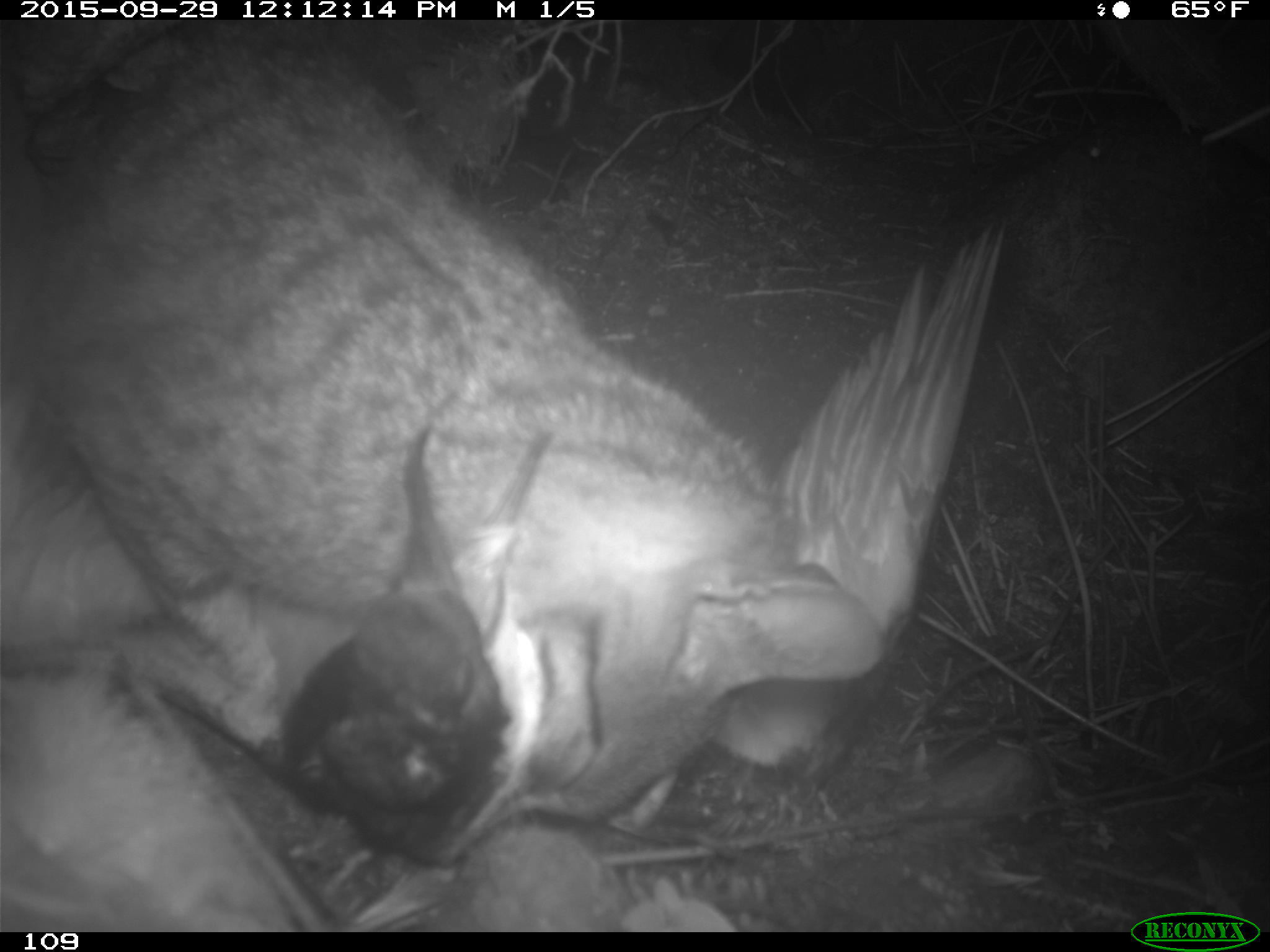
As is the case on so many islands throughout the world, Hawaiʻi’s seabirds evolved without mammalian predators and thus have no natural defenses against them. The appearance of non-native mammals such as cats, dogs, rats, mongoose and pigs has proven to be a significant threat to these ground-nesting birds (along with a wide range of other endemic Hawaiian bird species). In even the most remote breeding colonies, these predators attack and kill adults and chicks and can cause significant damage to the breeding population in a very short span of time.
Loss of habitat
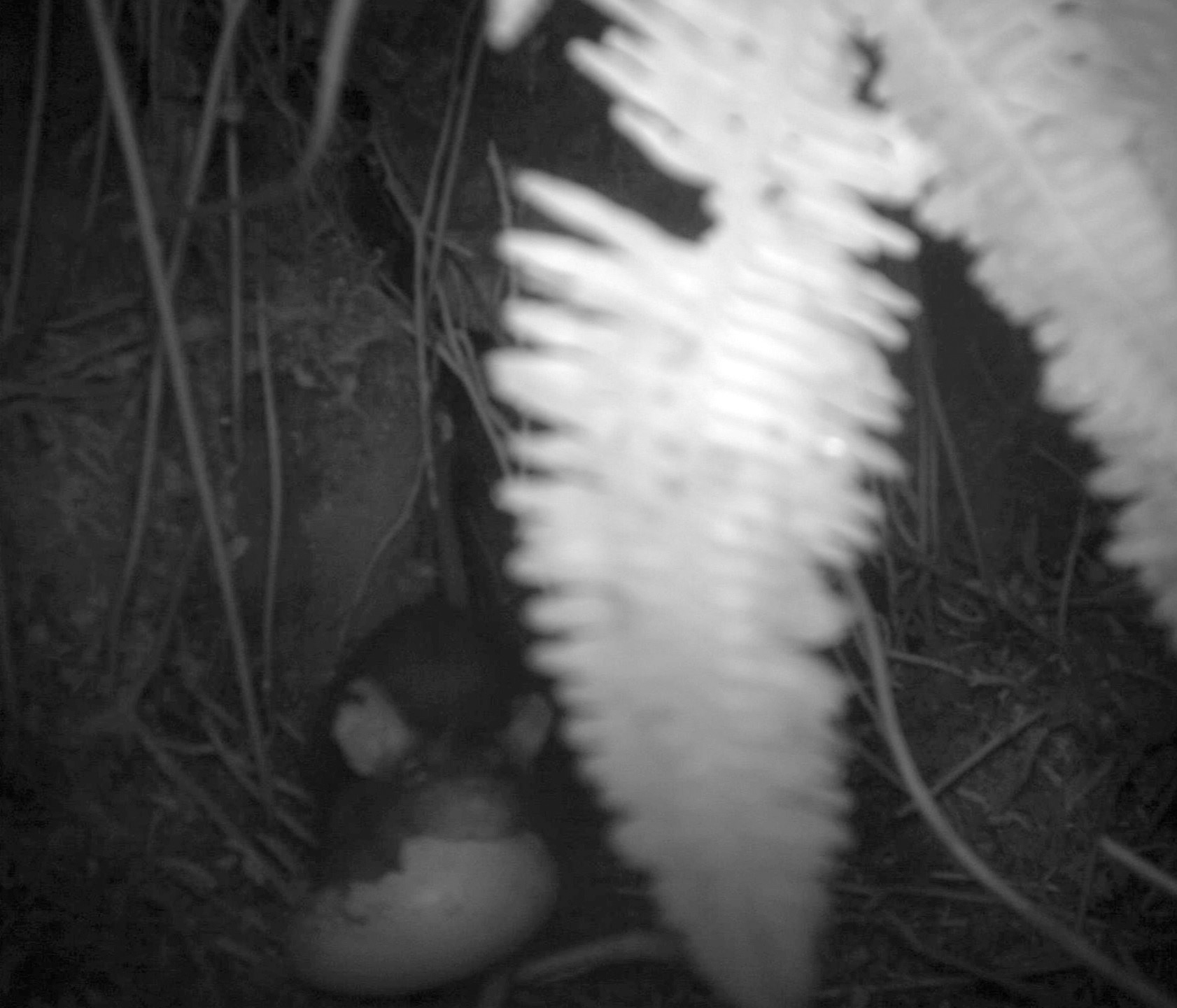
Non-native mammals, especially pigs and goats, can destroy the native vegetation that is such important breeding habitat for Hawaiʻi’s endangered seabirds. Digging and trampling by these mammals destroys native vegetation and leads to invasion by exotic plants that can swiftly take over native forest. If left unchecked, this can ultimately result in dense stands of species such as strawberry guava, making it impossible for seabirds to nest on the forest floor.
Marine threats
Less is known about threats to these birds at sea, but as with seabirds around the world it is highly likely that various threats at sea are also taking their toll on Hawaiʻi’s shearwaters and petrels. These threats can include marine pollution (such as plastics and oil slicks), reductions in prey from overfishing, mortality through by-catch, and the far-reaching ramifications of climate change.
- Travers, M. S., Driskill, S., Stemen, A., Geelhoed, T., Golden, D. M., Koike, S., Shipley, A. A., Moon, H. E., Anderson, T., Bache, M., & Raine, A. F. (2021). Post-collision impacts, crippling bias, and environmental bias in a study of Newell’s shearwater and Hawaiian petrel powerline collisions. Avian Conservation and Ecology, 16(1). https://doi.org/10.5751/ace-01841-160115
↩︎
 Kauaʻi Endangered Seabird Recovery Project